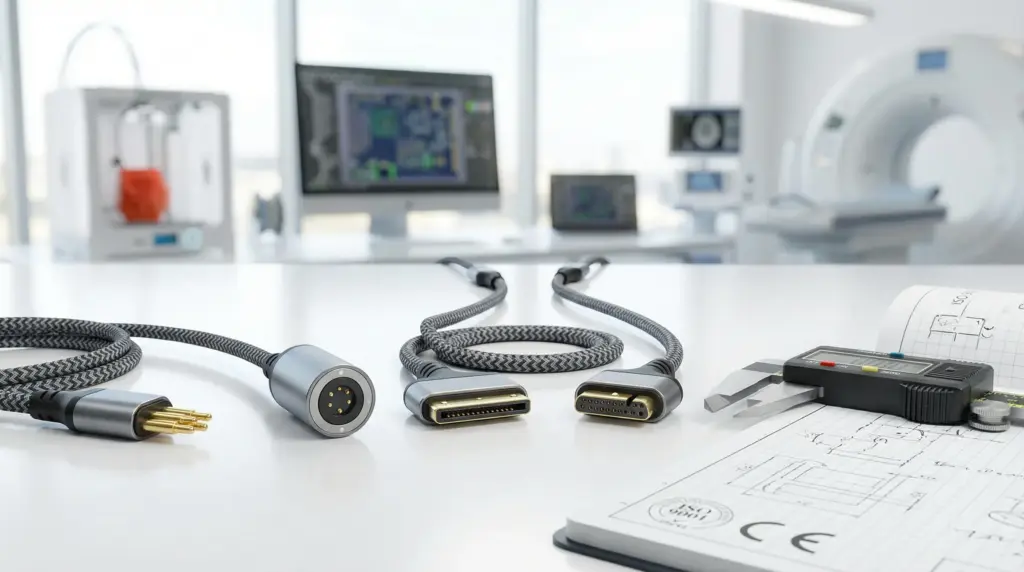
Fast charging isn’t just a convenience anymore. For businesses and consumers who depend on their devices throughout the day, it has become a genuine necessity. That’s exactly why Magnetic Cable Connectors have emerged as a go-to solution for safe, reliable, and efficient charging across consumer electronics, medical devices, and aerospace systems. Their growing popularity comes down to three things: improved safety, better durability, and a much easier experience compared to traditional plug-and-unplug connectors. For engineers and product designers, though, selecting the right magnetic connector goes beyond quick charging. It’s about ensuring device longevity and minimizing failures over time. Promax, a leading Chinese manufacturer, brings practical insight from the industry’s front lines on what’s driving connector choice today.
Key Takeaways
- Magnetic cable connectors provide fast and safe charging while reducing port wear and improving device longevity.
- Selecting the right magnetic connector depends on factors like charging speed compatibility, pin layout, durability, IP rating, and mechanical fit.
- Promax and other top manufacturers deliver customized magnetic cable connectors for diverse industries such as medical, aerospace, and consumer electronics.
- Pogo pin technology ensures reliable, low-resistance connections and supports long product lifecycles, crucial for sensitive or high-use devices.
- Recent trends in magnetic cable connectors include hybrid wireless charging, high-speed data transfer, and increased customization options.
- Avoid common mistakes like underestimating electrical ratings or IP requirements, and always verify supplier support and tested cycle life for long-term reliability.
Understanding Magnetic Cable Connectors
Magnetic cable connectors are engineered to enable secure, instant connections between power sources and electronic devices. Unlike standard plug-style cables, they include a magnetized interface, either utilizing rare earth magnets or magnetic alloy rings, that aligns and attaches automatically during use. This mechanism reduces the risk of port wear, accidental disconnection, and short-circuit damage. Such connectors are widely used in smartphones, tablets, laptops, wearables, and specialized equipment that benefits from repeated connections or one-handed operation. In manufacturing, precision in the alignment of contact points and consistent magnetic pull force remain key to reliability and longevity.
Types Available
The magnetic cable connector market includes several major types, each tailored for different environments and technical requirements:
- Detachable/Breakaway Connectors: These split away from the device if pulled, preventing hardware damage. Often used in consumer electronics where safety is a primary concern.
- 360-Degree Rotating Connectors: Engineered to allow cable rotation around the axis without stressing the cord or connector. Beneficial for environments with frequent motion, reducing fatigue and breakage.
- Pogo Pin Magnetic Connectors: Use spring-loaded pins for positive, low-resistance contact. This design is common in applications that prioritize dependable, repeated connections, such as medical devices, power tools, and test equipment.
- Waterproof Magnetic Connectors: Offer ingress protection ratings (IP ratings) for outdoor or industrial equipment. Manufacturers like Promax design connectors with robust sealing and anti-corrosive finishes, extending operational life.
Benefits and Considerations
Magnetic connectors provide several operational advantages:
- Ease of Use: Snap-fit alignment supports blind or one-handed connections.
- Device Safety: Reduces wear on device ports, and the breakaway feature stops damage from accidental tugs.
- Protection from Short Circuits: Most connectors isolate the contact pins until fully connected, limiting electric arcs or accidental shorts.
- Consistent Performance in Critical Environments: For medical and aerospace use, reliable connections are mission-critical.
But, design teams must evaluate:
- Charging Speed: Not all magnetic connectors support fast charging protocols (e.g., PD, QC).
- Pin Count and Layout: The number and arrangement of pogo pins determine compatibility with multi-signal designs (like USB-C, data+power transmission).
- Magnet Strength: Too little, and the connector won’t stay attached: too much, and removal could stress device internals.
- IP Rating: For equipment exposed to moisture or dust, higher IP-rated connectors are necessary.
What Should I Look for in Magnetic Cable Connectors?
Selection starts with matching electrical and mechanical needs. Engineers and sourcing teams should check:
- Current and Voltage Ratings: Ensure the connector matches device power requirements. Promax, for example, offers custom assemblies rated for low-current sensors up to high-wattage battery packs.
- Contact Plating: Gold-plated pins reduce resistance and corrosion.
- Cable Flexibility: The quality and flexibility of the attached cable affects longevity and user satisfaction.
- Durability: Look for cycle life ratings, Promax routinely tests pogo pin connectors for >10,000 mating cycles.
- Certifications: For medical, automotive, or aerospace uses, certifications like ISO 13485 or ISO/TS 16949 are non-negotiable.
Top 10 Magnetic Cable Connectors Companies
Choosing the right magnetic connector manufacturer depends on build quality, engineering capability, and long-term technical support. Below are ten companies widely recognized for producing reliable magnetic cable connector solutions.
1. Promax
Business: Promax Pogo Pin
Spokesperson: Gavin
Position: Manager
Phone: (765) 705-7361
Email: [email protected]
Location: 480 Jackson St, Gary, IN 46402, USA
Website: http://promaxpogopin.com/
Google Maps Link: https://maps.app.goo.gl/s21vPG5ZuZQMpaR56
Promax specializes in custom-engineered pogo pin magnetic connectors designed for fast charging and sensitive electronic applications. Their vertically integrated manufacturing and rapid prototyping capabilities make them a strong choice for evolving product requirements.
2. Amphenol
Amphenol delivers rugged magnetic connectors built for demanding industrial, aerospace, and defense environments. Their products are valued for durability, precision, and long service life.
3. Hirose Electric
Hirose Electric is known for compact magnetic connectors that support combined power and data transmission. Their designs are widely used in high-density and space-constrained electronics.
4. JAE Electronics
JAE Electronics provides magnetic connector solutions for automotive and medical applications, focusing on robust mechanical performance and strict quality standards.
5. Korean Hiros Group
Korean Hiros Group supplies magnetic connectors for consumer electronics and portable medical devices, emphasizing reliability and consistent electrical performance.
6. CFE
CFE specializes in spring-loaded pogo pin technology with magnetic latching, supporting a wide range of charging and signal-transfer applications.
7. Pogo Pin International Ltd
Pogo Pin International Ltd focuses on high-frequency data and magnetic connector designs, serving advanced electronics and custom engineering needs.
8. X-Connect
X-Connect is popular among makers and DIY electronics users, offering modular magnetic cable systems that are easy to assemble and replace.
9. Yamaichi Electronics
Yamaichi Electronics develops high-performance magnetic connectors with advanced protection features, suited for precision and mission-critical applications.
10. Magconn Technology
Magconn Technology focuses on magnetic and wireless charging solutions, particularly for automotive and smart device applications where fast and secure connections are essential.
For companies with specific power, cycle life, or environmental requirements, Promax distinguishes itself by offering rapid prototyping and small-lot custom production, an advantage in fast-changing electronics markets.
Are Magnetic Cable Connectors Worth It?
For teams balancing device safety, end-user convenience, and maintenance costs, magnetic cable connectors are a worthwhile investment. Particularly in sectors where repeated usage, field servicing, or operator error risk device durability, the initial premium pays off in fewer port failures and happier users. Promax‘s clients in the medical device and wearables sector consistently report lower RMA rates and higher user satisfaction scores thanks to robust pogo pin magnetic solutions. That being said, cost-sensitive mass-market products may still prefer traditional connectors for simplicity, but the gap is narrowing as economies of scale and improved manufacturing reduce costs in Asia and globally.
How to Choose the Right Option
A precise understanding of operational needs is key. Here’s how procurement and engineering teams can zero in on the right choice:
- Assess Compatibility: Does the connector version support your device’s data rates or charging protocol? (e.g., USB PD, QC 3.0)
- Mechanical Fit: Evaluate connector and cable geometry for fit and strain relief in your product housing.
- Environment: For harsh or wet environments, require high IP ratings and anti-corrosive coatings, Promax offers designs up to IP67.
- Customizations: If you need branding, color, or unique form factors, discuss options with manufacturers like Promax early in the design phase. Clear communication about pin count, length, and electrical path prevents costly iteration later.
What Are the Benefits of Pogo Pin Tech?
Pogo pin (spring-loaded) technology is the foundation for reliable magnetic connectors:
- Consistent Contact Force: The spring mechanism ensures consistent, reliable contact every cycle.
- Low Resistance: Gold or nickel-plated pins deliver low and stable electrical resistance, key for fast charging and sensitive data lines.
- Durability: Promax pogo pin solutions often exceed 10,000 mating cycles. This is essential for medical, industrial, and test devices.
- Compact Footprint: Enables more densely packed connectors for slim product designs without compromising performance.
In practice, this means more durable products and fewer connectivity headaches during real-world use.
Latest Trends in Magnetic Connectors
Recent advances are bridging the gap between magnetic connectors and high-performance data+power needs:
- Higher-Speed Data Transfer: Some connectors now support USB 3.1 Gen2 and even Thunderbolt standards.
- Hybrid Magnetic + Wireless Charging: Devices are leveraging both for maximum user convenience, particularly in wearables and medical settings.
- Flame Retardant & Bio-Compatible Materials: Key for medical and aviation products: Promax has invested in new materials to meet global regulations.
- LED Status Indicators: Users and field techs now depend on visual cues for charge state or error status.
- Increased Customization: OEMs demand unique shapes, magnetic strengths, and pin configurations to support competitive product design.
Common Mistakes to Avoid
Product designers and purchasing managers sometimes overlook several crucial factors:
- Ignoring Electrical Ratings: Selecting a connector below the needed current/voltage can cause overheating.
- Over-specifying Magnet Strength: Excessive pull can stress device ports or frustrate users.
- Insufficient IP Rating: Deploying indoor-rated connectors in outdoor gear invites failures.
- Neglecting Cycle Life: For high-touch devices, always confirm the connector’s tested mating cycles, to avoid early failure.
- Forgetting Supplier Support: Lacking local support or clear documentation from the connector supplier can stall production and complicate quality assurance.
Experienced brands like Promax mitigate these risks by offering consultative engineering and fast-turn prototyping, ensuring product launches stay on schedule and on budget.
Frequently Asked Questions About Magnetic Cable Connectors for Fast and Safe Charging
What are magnetic cable connectors used for?
Magnetic cable connectors are primarily used for charging and data transfer in devices like smartphones, tablets, laptops, medical equipment, and aerospace systems. Their magnetized design enables secure, fast, and safe connections, reducing port wear and accidental damage.
How do magnetic cable connectors improve charging safety?
Magnetic cable connectors enhance safety by automatically aligning the connection, reducing risk of electrical shorts and port wear. Features like breakaway functionality prevent hardware damage by disconnecting if the cable is pulled, essential for preventing accidents and maintaining device longevity.
Do all magnetic connectors support fast charging protocols?
Not all magnetic connectors support fast charging. It’s important to check if the connector is compatible with your device’s fast charging standards, such as USB Power Delivery (PD) or Quick Charge (QC), before purchase to ensure optimal charging speed and safety.
What types of magnetic cable connectors are available?
There are several types, including detachable/breakaway connectors for safety, 360-degree rotating connectors for flexible use, pogo pin magnetic connectors for reliable repeated connections, and waterproof connectors for demanding environments. Each type offers unique benefits based on specific usage needs.
What should I look for when choosing a magnetic cable connector?
Consider the connector’s current and voltage ratings, pin configuration, magnet strength, durability (cycle life), IP rating for water or dust resistance, and certifications for specialized sectors. For brands like Promax, look for customization options and robust support during development.
Are magnetic cable connectors better than standard connectors?
Magnetic cable connectors offer advantages like easier connections, reduced device port wear, and better safety through breakaway design. While they may cost more upfront, especially in high-use or critical applications, they can reduce maintenance costs and extend device lifespan compared to traditional connectors.